
No vaults, box trucks, or storage building for you to own. Belongings stored safe and tracked until the home is ready, with the cost floated until insurance pays.
Contents storage is secure vault storage of a homeowner's packed belongings while the rebuild runs. Items stay boxed, tracked, and protected until the home is ready. Better Box floats the storage cost until insurance pays, so the contractor owns no vaults, no trucks, and takes no cash hit.
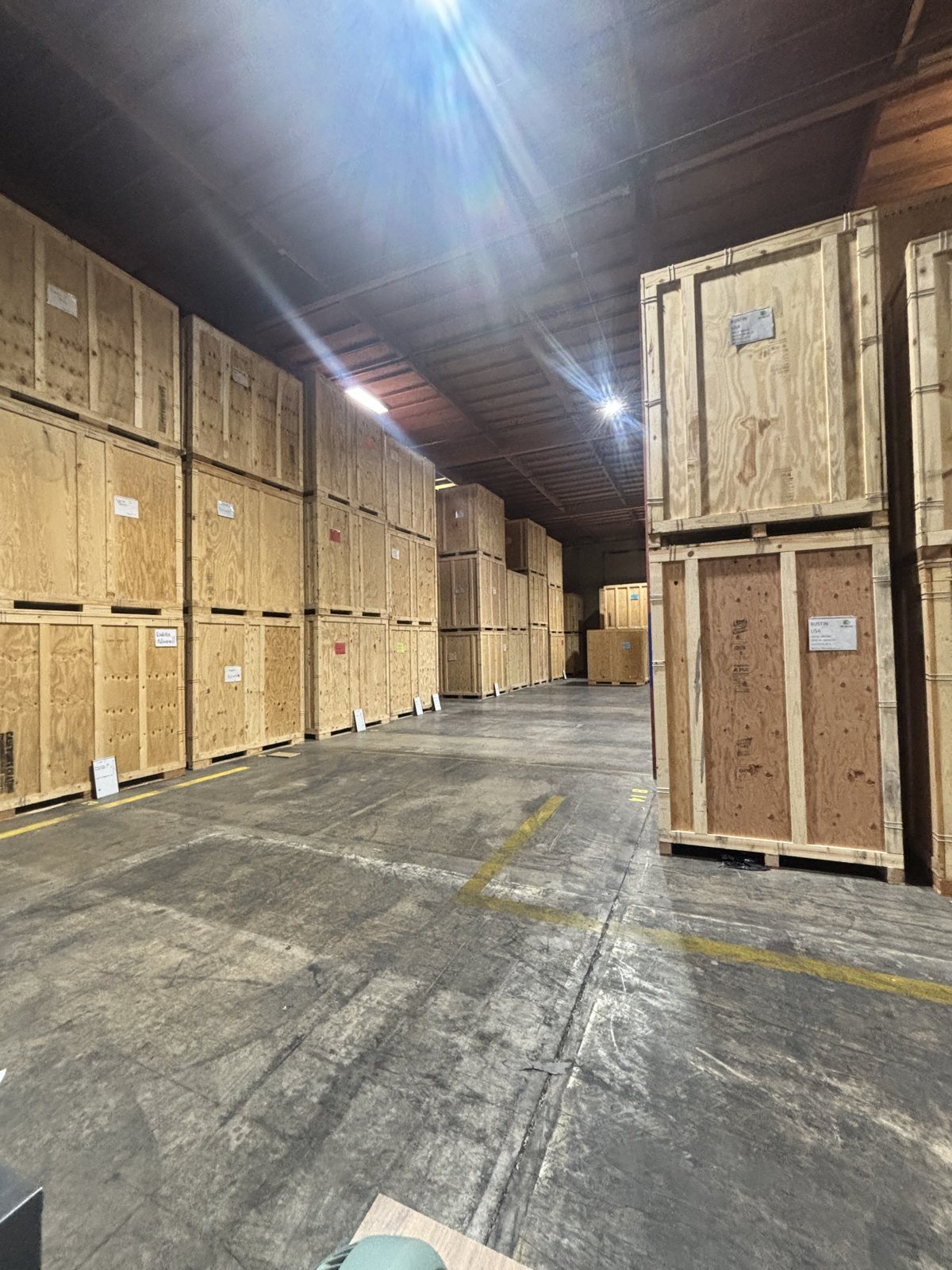
Doing contents in-house means vaults, trucks, warehouse space, and payroll standing around between losses. Rebuilds run long, storage bills stack up, and the cash risk sits on you. Our vaults and our float mean you stay asset-light with no cash hit.
Contents go into sealed vaults matched to the item log, so nothing is loose or untracked.
Secure facilities in-region, sized for large loss volume across both metros.
Storage rides on our books until insurance pays. You front nothing.
Storage is where contents costs pile up quietly. A rebuild scoped for weeks runs for months. Permit delays, material backorders, a supplement fight, and the vaults just sit there with the meter running. Somebody is carrying that cost the whole time, and with most vendors, that somebody eventually becomes a problem.
Here is how it works with us. Storage bills to the insurance claim as a documented line item, month by month, tied to the inventory of what is stored. And until the claim pays, we float it. Not you. Not the homeowner. We carry the contents cost until insurance pays, no matter how long the rebuild takes.
That last part is the difference. When a rebuild drags and a vendor gets tired of waiting on the carrier, the ugly version of this story ends with the homeowner getting a storage bill they never expected. That is the balance-bill betrayal, and it detonates on the contractor who made the referral. We do not do it. We never balance bill, and the promise is in writing.
So the answer to who pays is: the claim pays, on its own schedule, and we absorb the wait. Your client never sees a storage invoice, and the long rebuild stays a scheduling problem instead of a relationship problem.
Run the math on doing contents storage in-house and it stops looking like control. Climate-safe warehouse space, vaults, a box truck or two, packing equipment, and a crew to run it lands around $300K before it handles a single loss. Then it keeps costing: rent, insurance, payroll, and maintenance, whether you packed out a dozen jobs this month or none.
For an owner doing $1M to $5M a year, that overhead is a trap on both sides. Too much contents volume to keep turning jobs away or leaning on a flaky vendor. Not enough volume to keep a warehouse and crew busy year-round. The in-house setup bleeds money in slow months and still gets overwhelmed the week two large losses land at once.
Asset-light is the way out. You get vault storage, trained crews, trucks, and tracking on every job that needs it, and you own none of it. Your capital stays in the business you are actually building: mitigation, rebuild, and the account relationships that feed them.
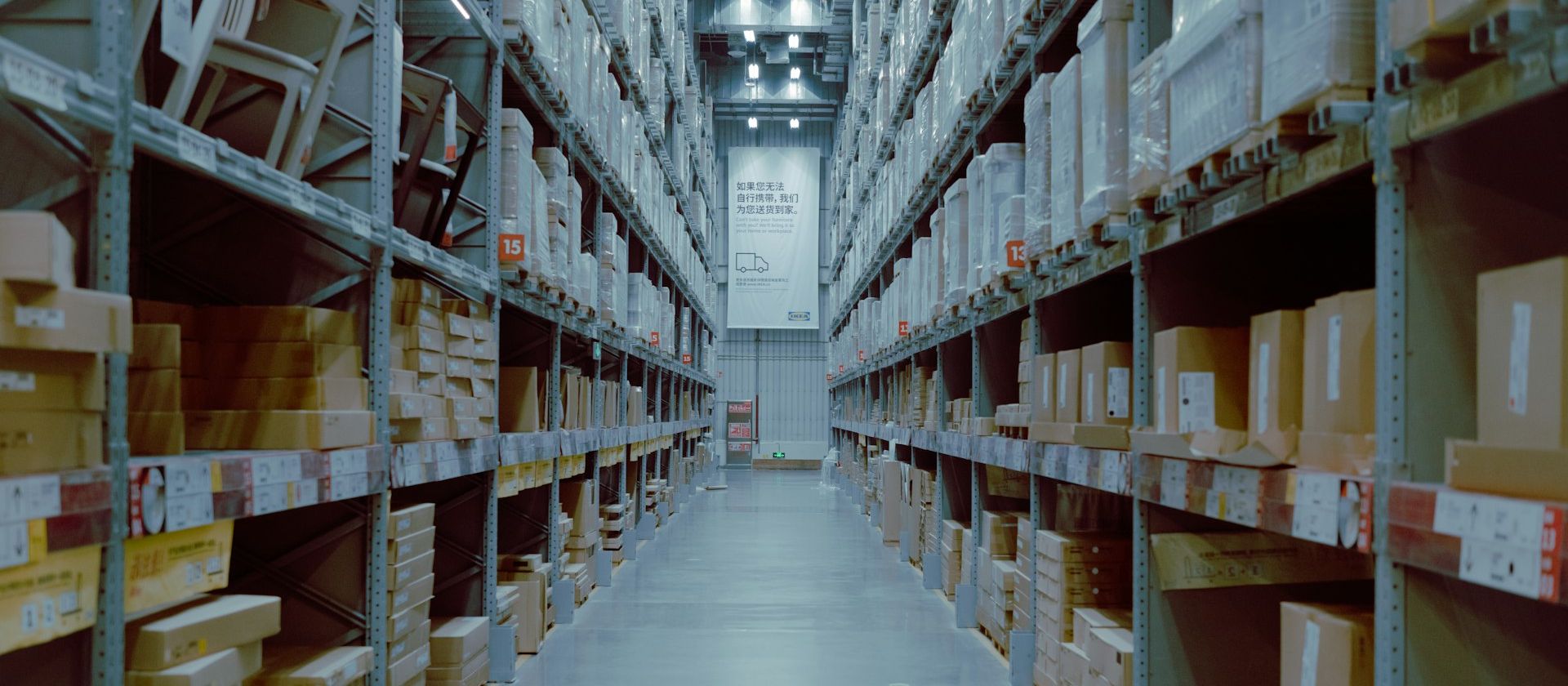
The capacity is already built. We handle 70 to 100 losses a month across Arizona, and the same vault infrastructure behind that volume goes to work on your jobs. You get large-operation storage without a dollar of it on your books. See what is near you on our locations page.
The vault system is what makes long storage boring, which is exactly what you want it to be. Contents are packed into sealed vaults at pack-out, each vault numbered and logged against the inventory. The vaults go into secure, monitored warehouse space and stay sealed until pack-back. No re-handling, no shuffling between units, no mystery about which box is where.
Tracking runs to the item level. Because every box has a number and every item has an inventory entry, we can put our hands on one specific box without unsealing everything around it. When the homeowner needs their winter coats mid-rebuild, or the adjuster asks about one line item, the answer takes minutes, not a warehouse search.
Long rebuilds are the real test. Deep into a long job, a vendor with sloppy tracking starts losing things, and every lost item becomes a claim dispute with your name near it. Our storage is built for large loss and long timelines because that is the work we do every day. The vault sealed in week one comes back months later exactly as it left.
Storage is the quiet middle of the full-cycle. Pack-out and pack-back get the attention, but the months in between are where trust is kept or lost. We keep it, and the record proves it when the job closes out.
One call, a team out within the hour.
Every item documented and photographed.
Careful, logged, pre-loss condition.
Salvageable contents restored.
Secure vaults, cost floated.
Placed back into the finished home.
When something goes wrong, we fix it and never balance bill the homeowner. No single job is worth your account. That promise is in writing, so your name is protected on every job we touch.
Get the Partner PromiseAs long as the rebuild takes. Long-running large losses are exactly what the vault capacity is for.
Nothing. We carry the cost until insurance pays.
Monitored warehouse vaults with tracked, sealed containers tied to the item-level inventory.
Yes. Overflow and large-loss surge capacity is a common way owners first work with us.
One call and contents is handled. Or become a partner and get the written fix-it guarantee.